
Original Paint vs. Full Repaint - What’s Right for Your Classic?
Choosing between preserving original paint and doing a full repaint is one of the biggest calls you will make as a classic owner. There is no single right answer. The best path depends on condition, goals, and how you plan to use the restored car across Orange County, Los Angeles, and San Diego.
Why original paint matters
Factory paint supports authenticity, documents how the car left the line, and can keep resale value strong with collectors. Honest patina often tells a story. Original finishes are thin though, so any correction must be careful and measured.
When preservation is the better choice
Pick original-paint revival when most of the factory finish is present and structurally sound:
- No structural rust and minimal rust-through
- Limited prior repairs or blend lines
- Oxidation and light scratches that respond to safe correction
- Your goal is originality and long-term value, not a color change
Before we accept a preservation plan, we map the car with a paint thickness gauge, inspect seams and water traps, and run a small test spot to confirm how far the finish can safely improve.
What an original-paint revival includes
- Inspection and meter map. Readings across panels set safe limits.
- Targeted wet sanding and correction. Only where thickness allows.
- Patina preservation. We keep period character instead of erasing it.
Protection. Proper sealants so coastal driving in OC and San Diego does not undo the result.
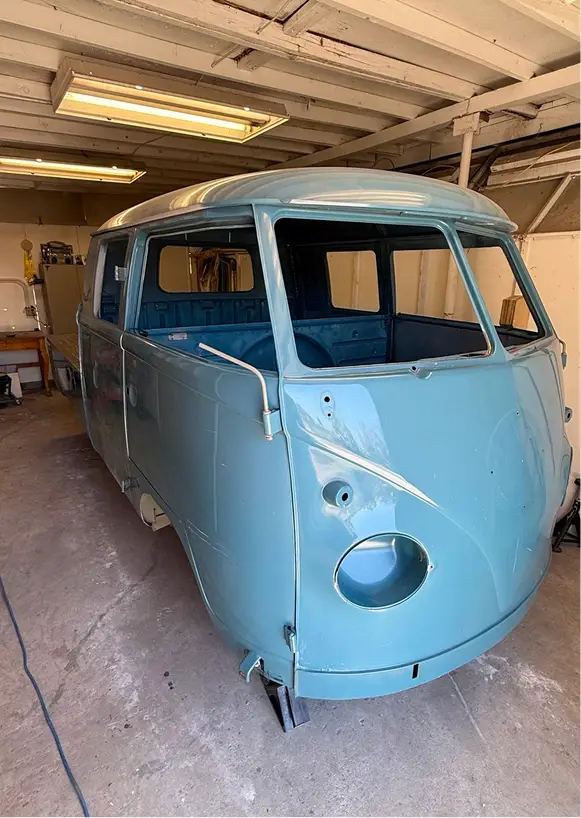
Local example: An Orange County VW Dual-Cab Bus passed our preservation assessment. Test-spot readings confirmed we could revive the factory finish with measured multi-stage correction — depth returned, patina stayed, and the period character remained intact.
When a full repaint is smarter
Choose a repaint when the substrate is compromised or the finish is beyond recovery:
- Rust in lower quarters, sills, window channels, or seams
- Heavy filler, uneven panels, or poor older resprays
- Incorrect color for the chassis or multiple failing layers
- A goal of a uniform concours look or a color change
If the metal underneath is weak, preserving thin factory paint will not stop corrosion. Cutting out rust and refinishing the body is the durable fix.
What a quality repaint should include
- Metal first. Remove rot, hand-form patches, and weld with controlled heat to avoid distortion.
- Alignment. Set consistent factory-style gaps before primer.
- Primer system. Epoxy for adhesion and corrosion resistance, high-build for blocking, then full seam sealing.
- Refinish and correction. Period-correct system with post-paint correction for gloss and distinctness of image.
- Reassembly. New seals, proper trim alignment, and leak checks for SoCal weather.
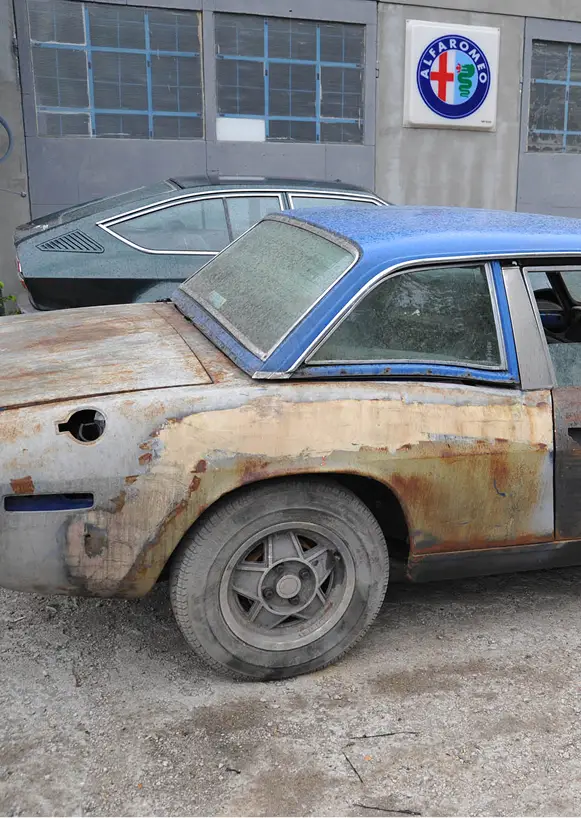
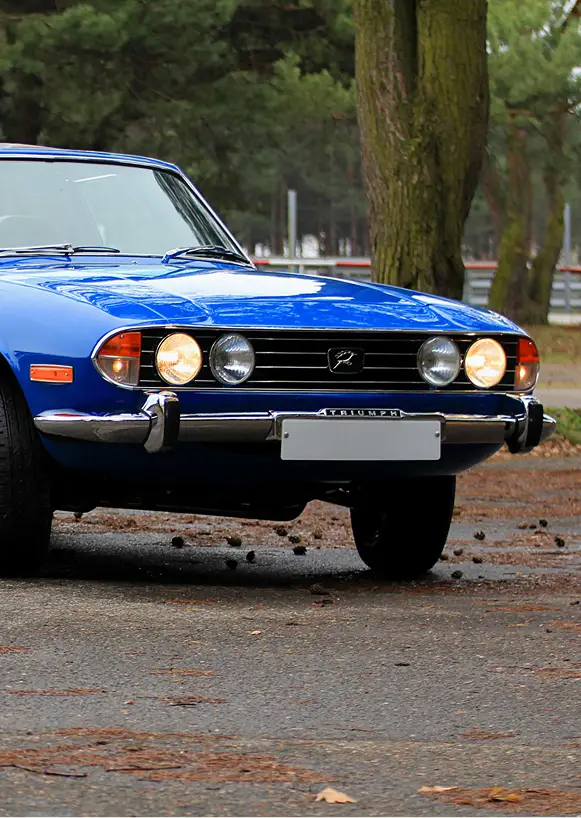
Local example: Our San Clemente Triumph Stag needed significant rust repair and panel fabrication. A full repaint delivered straight panels, deep gloss, and long-term durability.


Cost, time, and transparency
Every car is different. Previous work and metal condition drive hours. We bill $100/hr + materials and keep a photo log so you see where time goes. Preservation can be faster when the finish cooperates. Full repaints take longer due to metalwork, blocking cycles, and reassembly. A quick shop visit in Orange County is the best way to set scope and timeline.
Quick decision checklist
- Goal. Keep originality or achieve a flawless uniform finish?
- Paint health. Mostly factory and sound or compromised by rust and filler?
- Use. Weekend coastal drives, daily local shows, or concours judging?
- Future sale. Will originality matter to your likely buyer?
- Budget and timing. Ready for metalwork and multi-week paint cycles?
If three or more answers lean toward originality and the paint is healthy, preserve it. If rust or past repairs dominate, repaint it.
Care tips for both paths
- Garage the car and use a breathable cover.
- Rinse wheel arches and sills after coastal drives.
- Wash with pH-neutral shampoo and soft towels.
- For fresh paint, wait until full cure before waxing.